
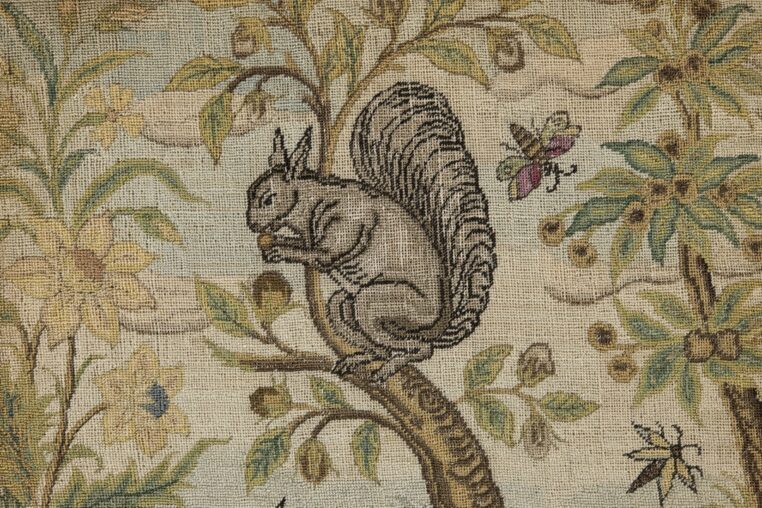
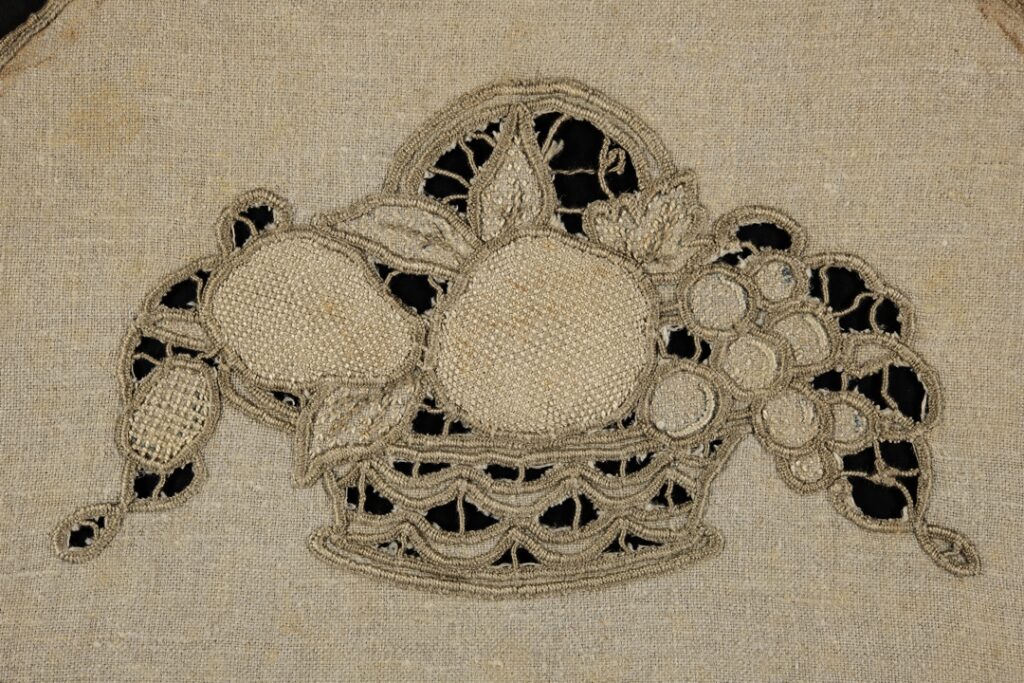
Featured – from the Collection: EAMEG.1983.231 detail of Panel – c1725
Autumn is the mellower season, and what we lose in flowers we more than gain in fruits
Samuel Butler
When the year turns to Autumn in the northern hemisphere the soft fruits of Summer give way to crisp apples, sweet pears, bright autumn berries, and the hidden treasures locked inside nutshells.
Fruits and nuts become the last harvest of the year, the final gift of nature before Winter creeps over the land. Unlike those juicy summer fruits, many of the gifts of Autumn can be stored and kept for those long dark days ahead.
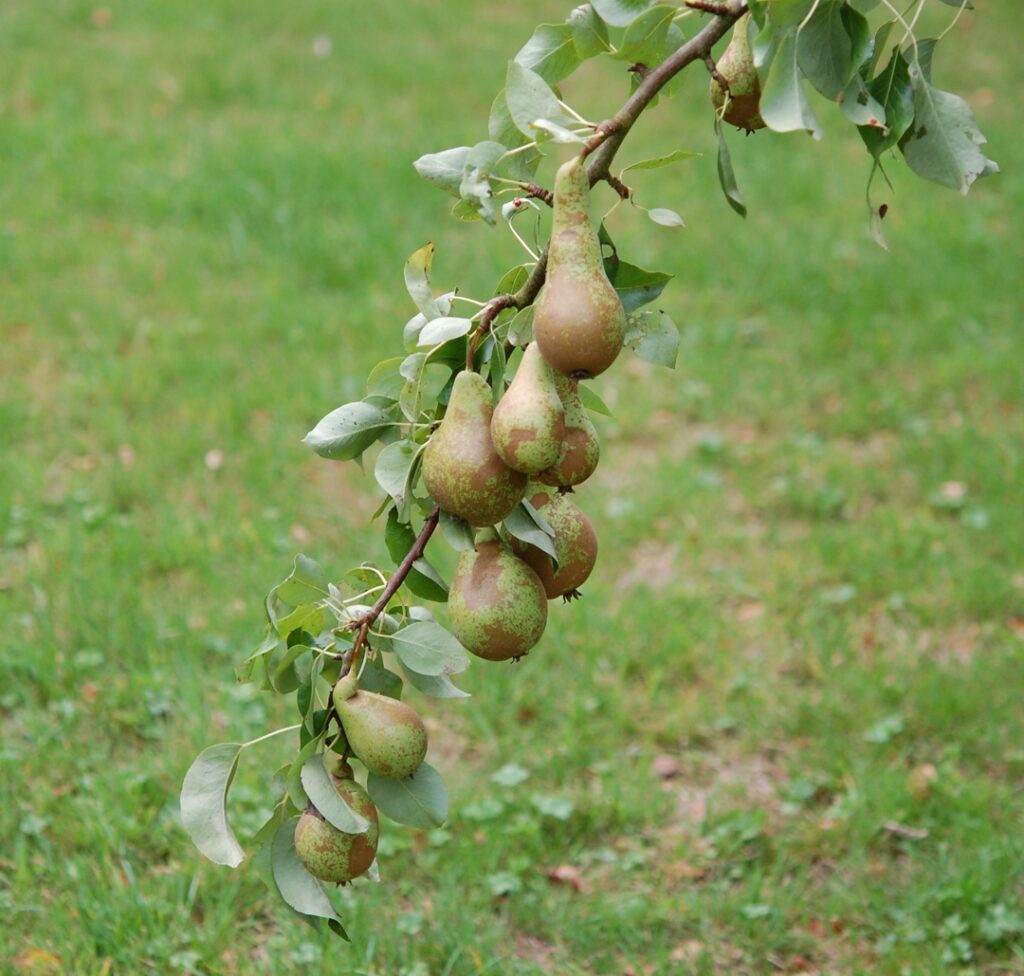
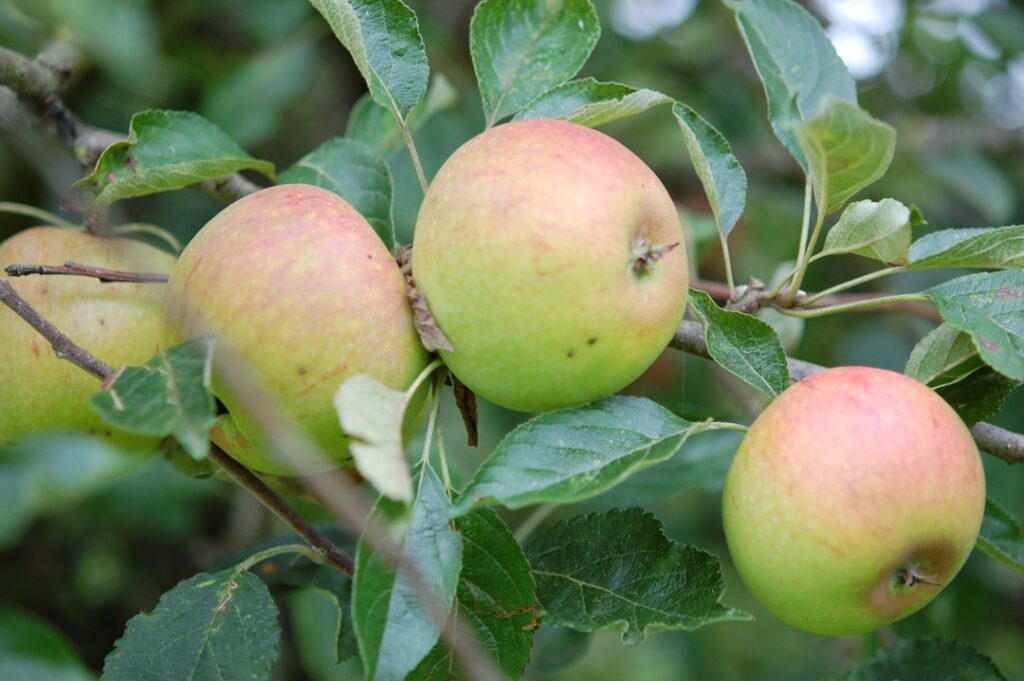
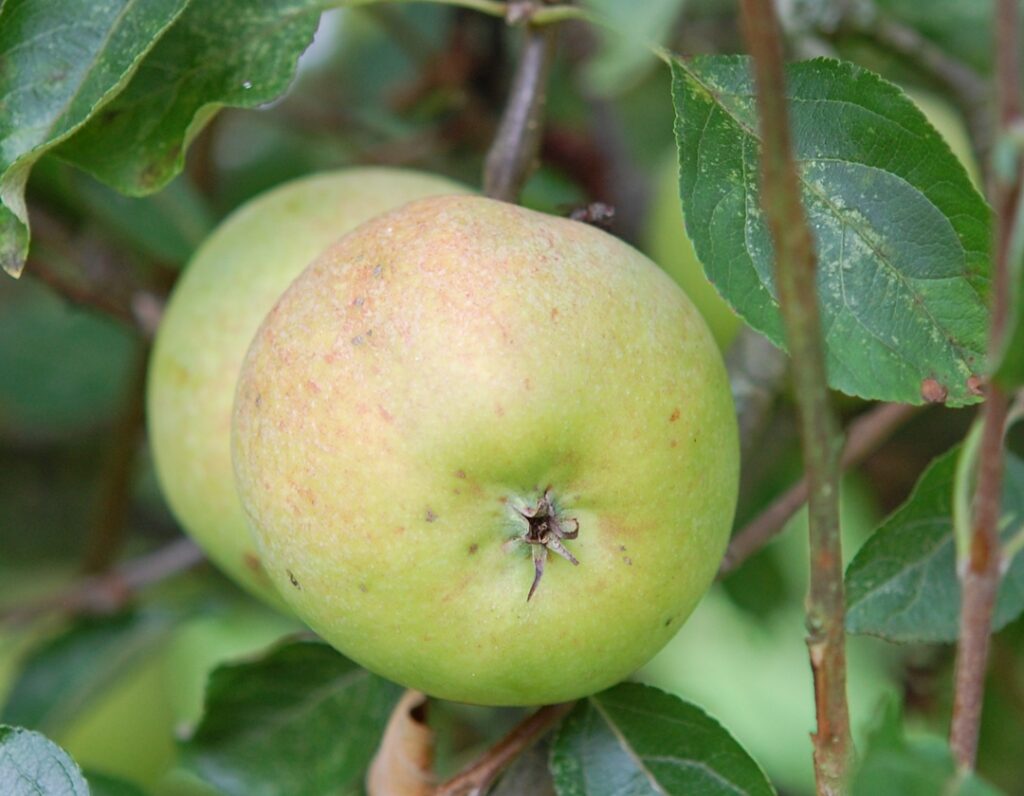
Apples start to drop in June, and windfalls can be gathered for jam and apple pie for several months. The fruit that stays on the tree, however, slowly develop their golden colours or their modest blush of pink and red. Their flesh grows sweet, and will grow sweeter still in the apple store, picked fresh from the tree and slowly wrinkling over time.
.
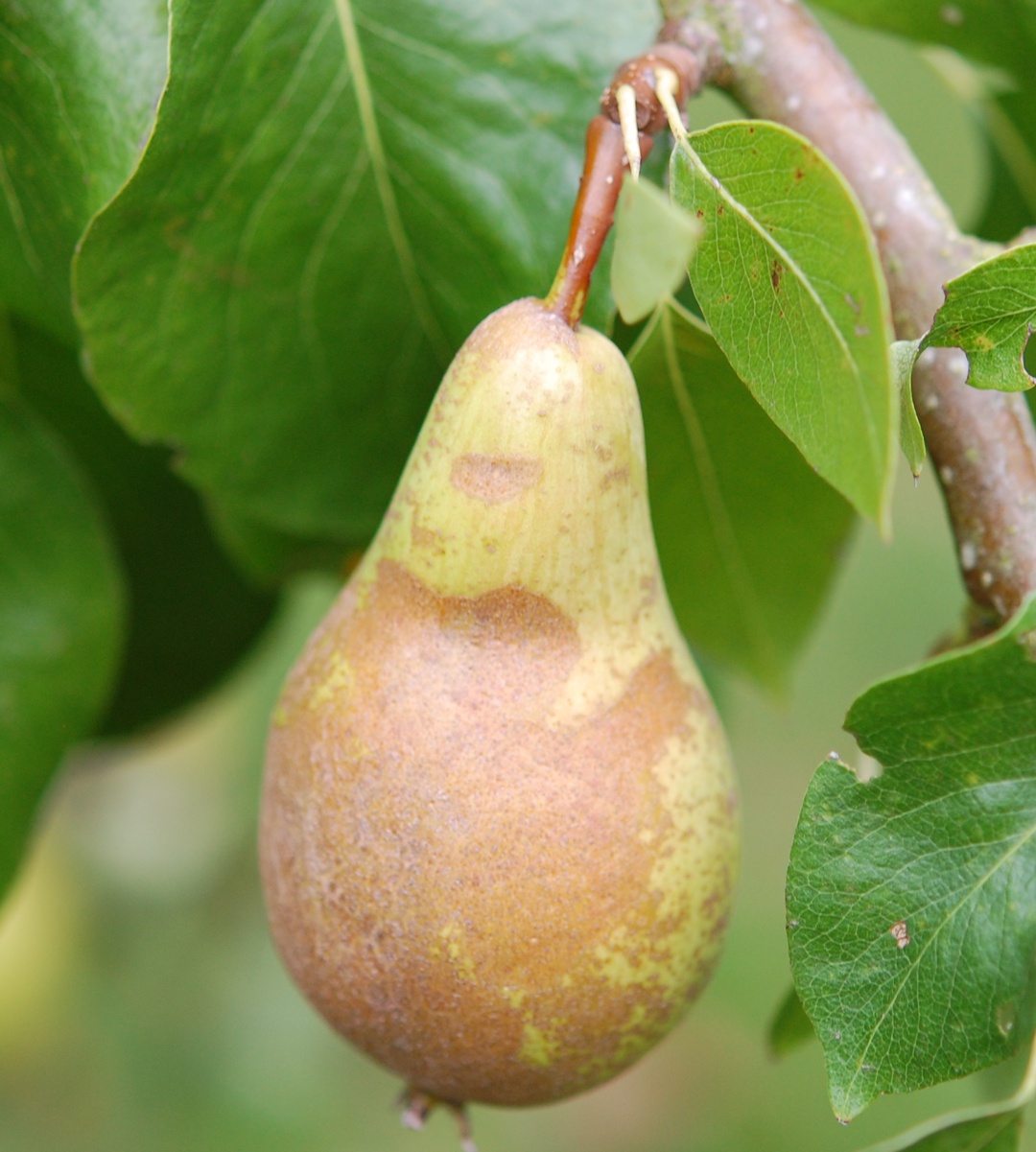
Pears are less sturdy, better eaten once picked, or else pickled, dried, or preserved in honey and sugar syrups. Apples can be kept as is, pears are better poached – and both make excellent jam!
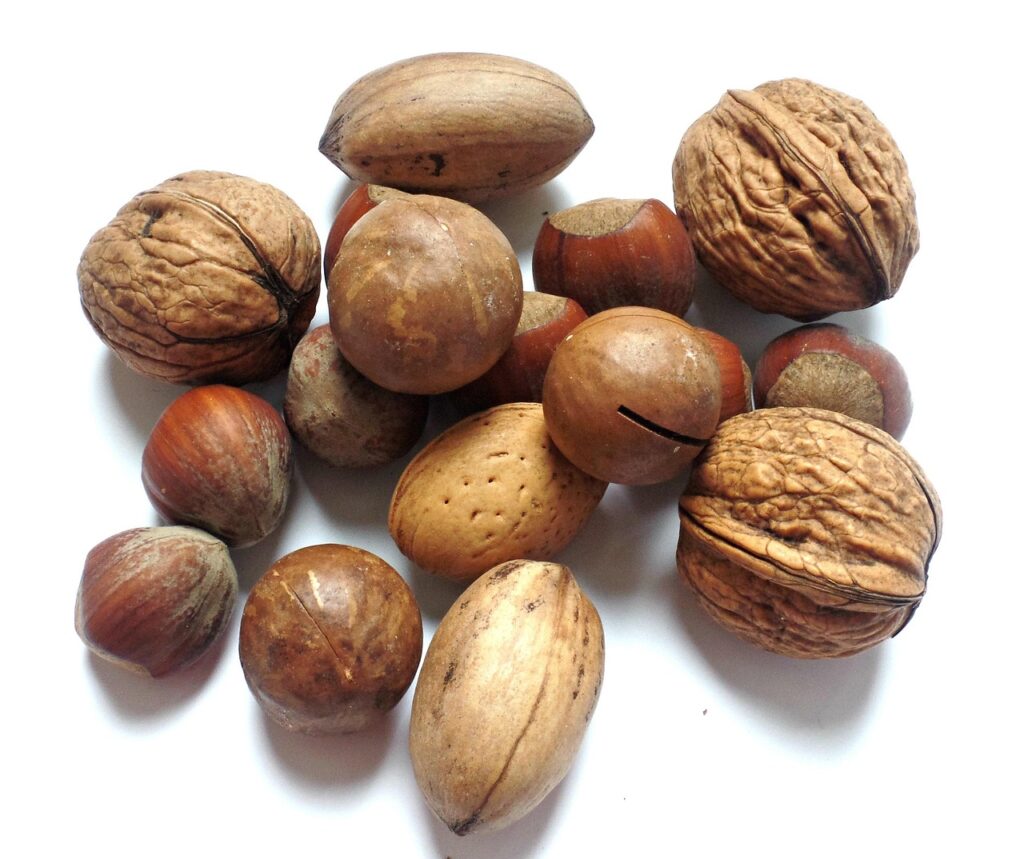
Not many people keep a walnut or an almond tree in their garden now, but hazelnuts can still be found lurking in the hedgerows, and sweet chestnuts still provide their bounty in the corners of country fields. Chestnut stuffing in the Christmas turkey would have been the cheap option once – nowadays it’s gourmet fare.
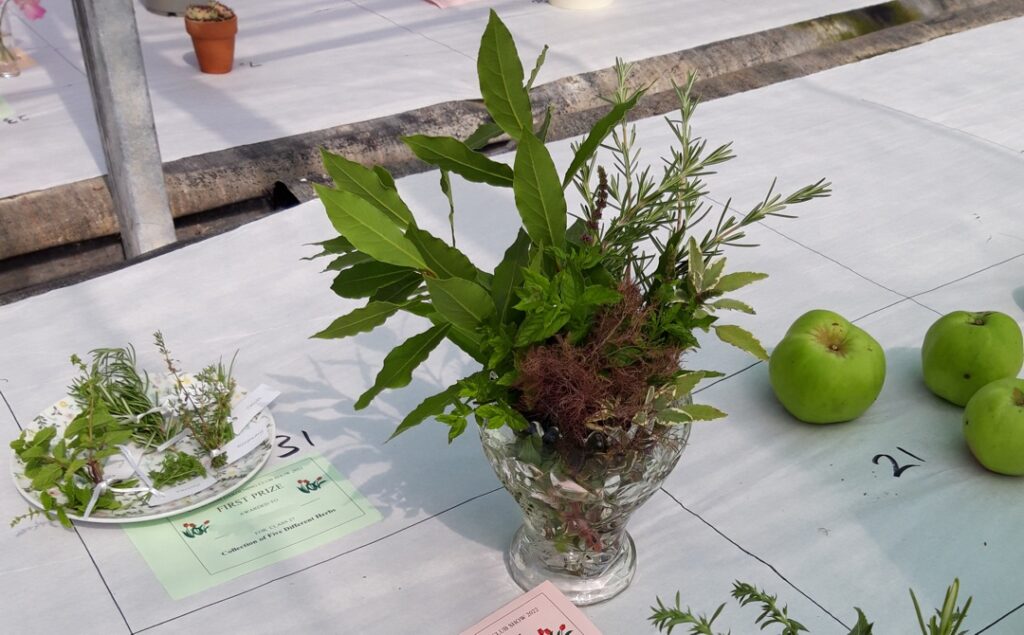
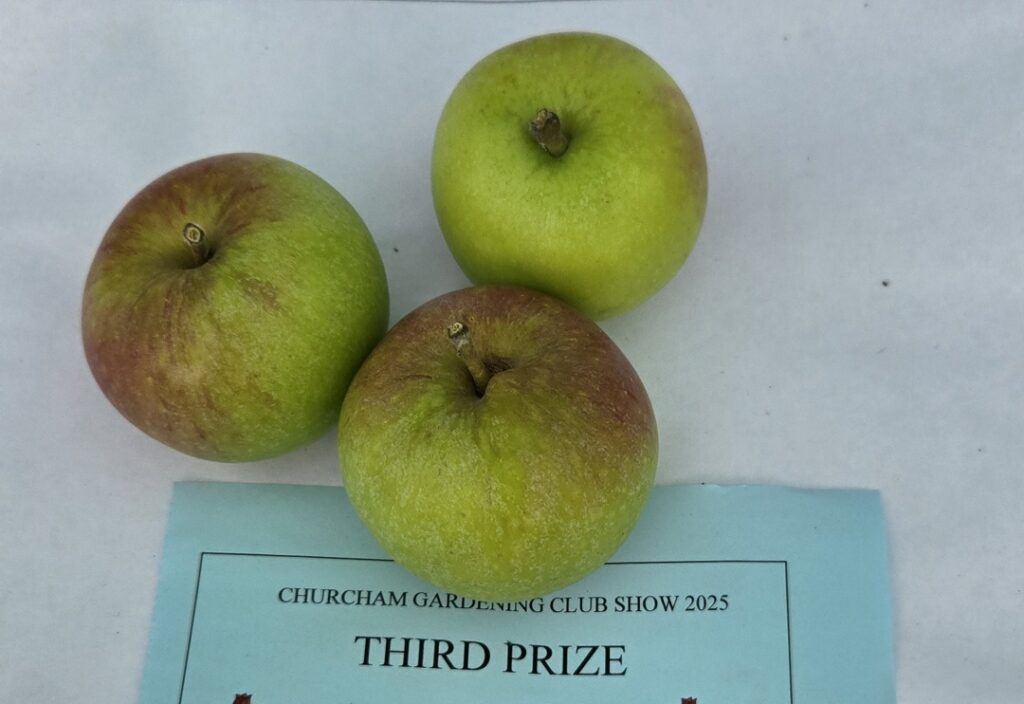
International trade has softened the boundaries of seasonality, with fruits – and nuts – available in supermarkets all year round. The days of gleaming jars of preserved fruit being stacked on shelves in almost every larder are probably long gone, but home grown will always be considered the ‘best’ – especially if the fruit has been wining prizes at the local show!
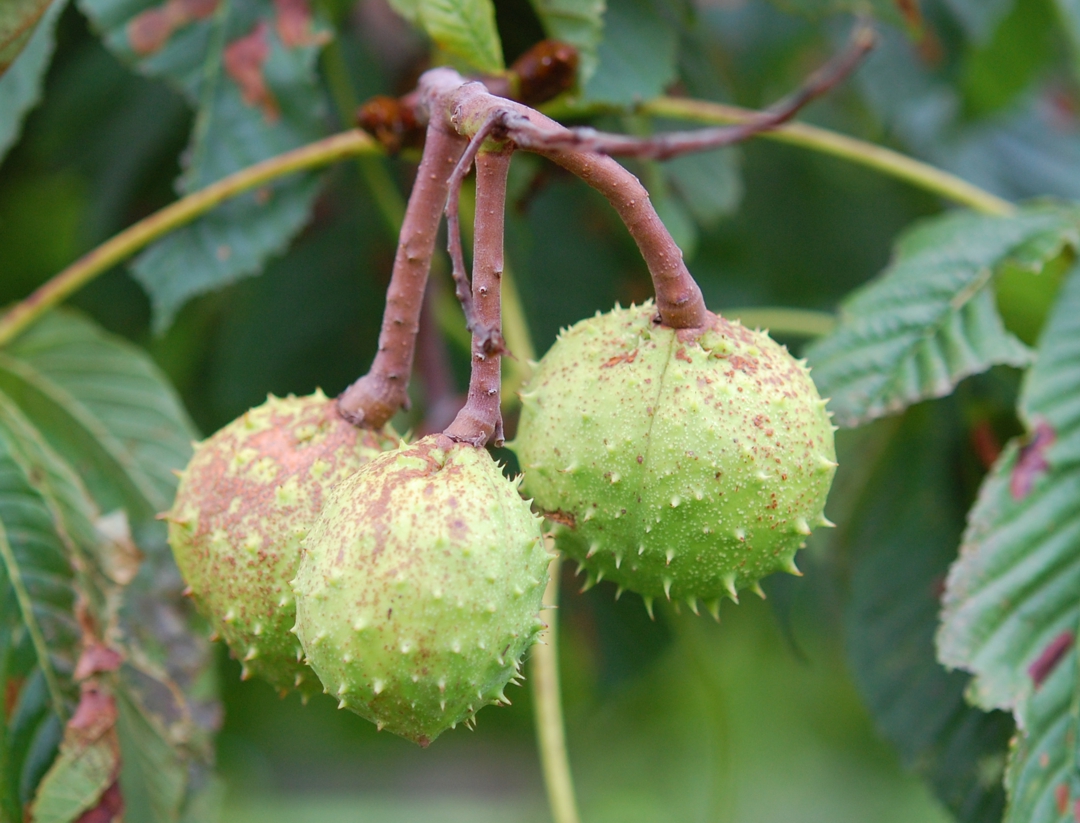
Outside in the garden, nature’s autumn bounty is much wider than we might consider tasty. Bushes produce a glorious colour palette of late berries, that provides food for birds, and small mammals long into the darker days. The sweet chestnut may tempt us, but squirrels (and children) find the horse chestnut irresistible. Many an orchard gets invaded by a horse chestnut sapling in the spring, revealing exactly where the Squirrel hid their stash of nuts and seeds – and the ancient game of conkers is still played in places, passed down through the generations.
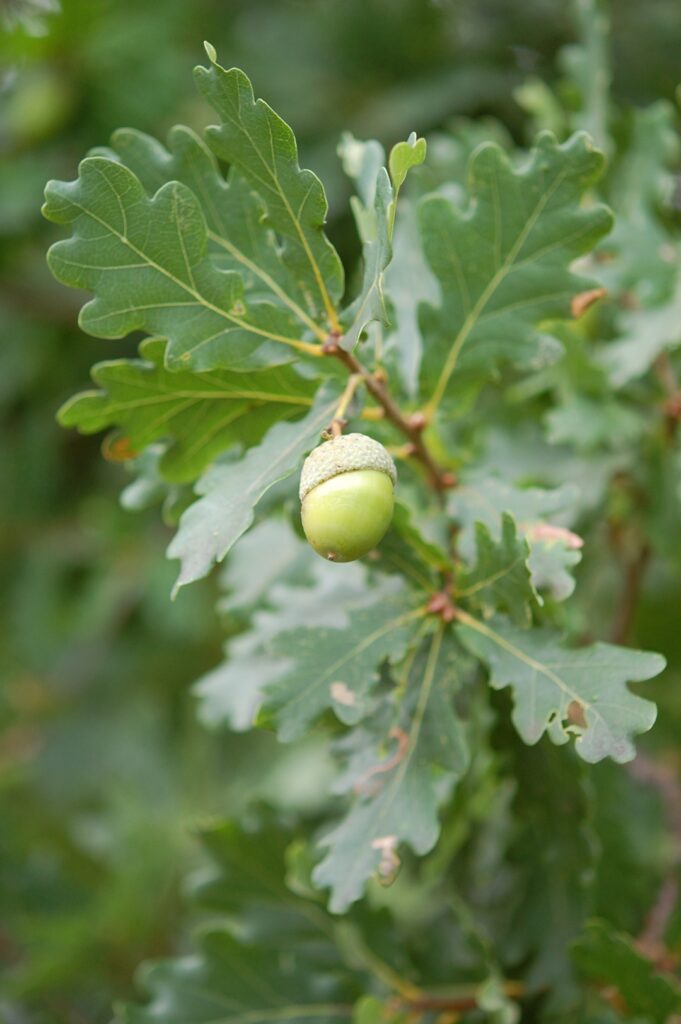
Nor should we forget the mighty oak, burgeoning with acorns – as tempting to squirrels as the chestnut. Raw acorns contain tannins which can be toxic to humans and cause an unpleasant bitter taste. They are also poisonous to horses, cattle and dogs. But they can be processed for human consumption – ground to make flour, roasted for a tasty snack, or used to make a coffee substitute which is naturally caffeine free.
Embroiderers and other artists have often celebrated this bounty, Fruit baskets have been a popular subject, both for still life compositions and for cutwork and drawn thread designs.
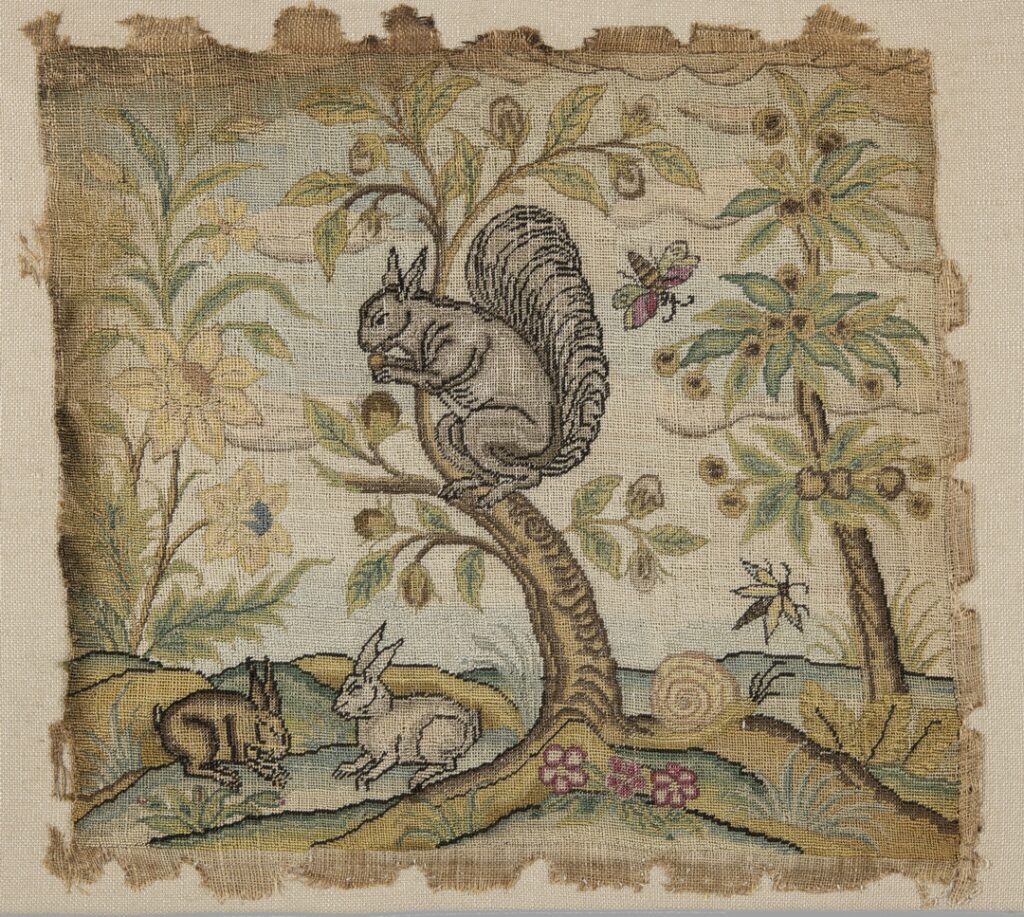
3d apples and pears provide perfect surfaces for stitch and other embellishments, and pictorial compositions celebrate both the fruit and the fruit trees on which it grows. The colour palettes of ripe apples, or a mixed bowl of nuts can inspire harmonious tones and shades to use, and no autumn themed artwork would be complete without an apple, a pear, or a nut tree, its branches heavy with fruit and nuts.
And let’s not forget the squirrels!
Season of mists and mellow fruitfulness,
John Keats: To Autumn
Close bosom-friend of the maturing sun;
Conspiring with him how to load and bless
With fruit the vines that round the thatch-eves run;
To bend with apples the moss’d cottage-trees,
And fill all fruit with ripeness to the core;
To swell the gourd, and plump the hazel shells
With a sweet kernel; to set budding more,
And still more, later flowers for the bees,
Until they think warm days will never cease,
For summer has o’er-brimm’d their clammy cells …
Photographs by Penny Hill and from Pixabay. Collection photography by The Embroiderers’ Guild.